KTG Car KTG Car

China Top 10 Tips for Cleaning and Maintaining Kids Electric Vehicles?

Time:2026-05-31 Author:Sophia
0%

Cleaning and maintaining kids' electric vehicles is essential for safety and longevity. According to expert Mike Johnson, “Regular maintenance can prevent major repairs later.” This emphasizes the importance of knowing how to clean and maintain kids electric vehicles properly.

Kids’ electric vehicles can accumulate dirt and wear over time. Learning how to clean and maintain kids electric vehicles will ensure they remain in top condition. Parents often overlook small issues, which can lead to larger problems. For instance, battery terminals should be checked for corrosion, and tires should be inflated correctly.

A clean vehicle is not just about appearance. Regular maintenance enhances performance and keeps children safe. Parents may find it challenging to determine the best cleaning products. Some cleaners can damage plastic and electronics. Thus, being informed about appropriate methods is crucial. Good practices can extend the life of these fun toys. Expecting perfection might lead to frustration, but every effort counts when ensuring a safe ride for kids.
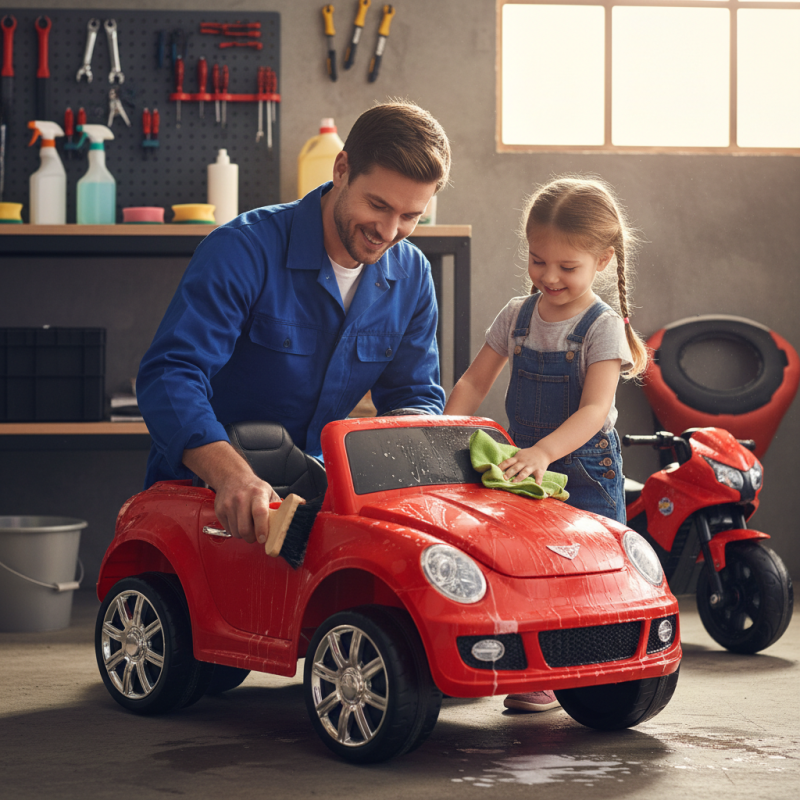
China Top 10 Tips for Cleaning and Maintaining Kids Electric Vehicles?

Identifying Essential Cleaning Tools for Kids Electric Vehicles

Cleaning and maintaining kids' electric vehicles is essential for their longevity and performance. Identifying the right cleaning tools can simplify this process. According to industry reports, proper maintenance can extend the life of these vehicles by up to 40%. This statistic highlights the importance of having appropriate cleaning tools.

Basic tools should include a microfiber cloth, soft-bristle brush, and mild soap. A microfiber cloth effectively lifts dirt without scratching surfaces, while a soft-bristle brush can reach crevices. Mild soap is crucial, as harsh chemicals can damage paint and plastic. For stubborn dirt, consider a baking soda and water paste. It’s natural and safe for kids.

However, not every cleaning method works. Some parents may overuse water or cleaning agents, leading to rust or mold. It’s vital to dry all parts after cleaning to prevent moisture buildup. Regular inspections are also crucial; checking battery compartments for debris can enhance safety. Emphasizing these practices can significantly improve the overall experience and usability of kids' electric vehicles.

Step-by-Step Guide to Cleaning the Exterior of Electric Vehicles

Cleaning the exterior of kids' electric vehicles can enhance their appearance and longevity. According to a study by the International Automobile Association, regular maintenance can extend the life of electric vehicles by up to 25%. Start by gathering essential supplies: mild soap, a soft sponge, clean water, and microfiber cloths. Avoid harsh chemicals, as they can damage the vehicle's finish.

Begin with a gentle rinse to remove loose dirt and debris. Use a soft sponge and soap solution to clean the surfaces. Pay attention to areas like wheel wells where grime accumulates. Research indicates that neglecting these spots can lead to corrosion over time. After washing, always rinse thoroughly to remove any soap residue. Dried soap can leave streaks and lessen the shine.

Drying the vehicle is crucial. Use a microfiber cloth to prevent water spots. Experts recommend drying in a shaded area to avoid rapid evaporation, which can lead to marks. It’s essential to check for any persistent stains and apply a gentle scrub if needed. Regular maintenance, albeit imperfect at times, is key to keeping these vehicles looking great and functioning well.

Maintaining Battery Health for Longevity and Performance

Battery health plays a crucial role in the performance of kids' electric vehicles. A well-maintained battery can significantly extend the lifespan of the vehicle. According to industry reports, approximately 80% of battery failures are due to improper care. Regularly checking the battery's charge levels is essential. Keeping the battery between 20% and 80% can prevent stress and enhance efficiency.

Temperature also affects battery health. Extreme cold or heat can reduce battery performance. Studies show that operating in temperatures below 32°F (0°C) can decrease capacity by 30%. Parents should store the vehicle in a temperature-controlled environment when not in use. Ensure connections are secure and free from corrosion. A clean battery terminal promotes better performance.

Avoid deep discharging the battery. Regular charging helps maintain optimal health. Leaving a battery in a discharged state can lead to irreversible damage. It's crucial to unplug chargers as soon as the battery is full. Overcharging can generate heat, diminishing the battery's overall lifespan. Follow these practices to ensure your child’s electric vehicle runs efficiently and lasts longer.

Regular Inspection: Checking Tires and Safety Features

Regular inspections are vital for kids' electric vehicles. Start by checking the tires. Look for signs of wear or damage. Ensure they are inflated to the correct pressure. This not only enhances performance but also ensures your child’s safety while driving.

Next, focus on safety features. Inspect the seat belts and brakes. Make sure they function properly. A loose belt or faulty brake can lead to accidents. Address any issues immediately to avoid bigger problems later.

Encourage kids to help with maintenance. It can teach responsibility. They may not spot every issue, but it opens a discussion about safety. Creating a routine for inspections can be a learning experience. This practice can be a fun bonding time for parents and children. Make it enjoyable!

China Top 10 Tips for Cleaning and Maintaining Kids Electric Vehicles

Tip Number Maintenance Tip Frequency Description
1 Regular Inspection Weekly Check the overall condition, focusing on tires and safety features.
2 Tire Pressure Check Bi-Weekly Ensure tires are inflated to the recommended pressure for safe operation.
3 Battery Maintenance Monthly Inspect and clean battery terminals, keeping connections tight.
4 Cleaning the Exterior Monthly Wash with mild soap and water to prevent dirt buildup.
5 Inspection of Wiring Monthly Look for frayed or damaged wires and replace as needed.
6 Lubricating Moving Parts Every 3 Months Apply lubricant to wheels and other moving components.
7 Brake Check Every 3 Months Ensure brakes are functioning properly for safety.
8 Checking Lights Bi-Monthly Verify that all lights are operational for visibility.
9 Safety Gear Review Monthly Check helmets and safety gear for wear and tear.
10 Storage Check Every 6 Months Ensure that the storage location is clean and dry to prevent damage.

Storing Electric Vehicles Properly to Prevent Damage

Proper storage of kids' electric vehicles is crucial for their longevity. Keep them in a dry garage or shed, away from direct sunlight. Extreme temperatures can harm batteries and plastic components. Ensure the area is clean and free from dust, which can settle and cause issues over time.

Before storing, check the battery levels. Avoid letting them fully drain. Inflate tires to the recommended pressure to prevent flat spots. Minor issues become major problems if neglected. Homes with limited space may struggle. Consider utilizing wall-mounted storage to maximize floor area.

Annual maintenance is often overlooked. Inspect for signs of wear and tear, like frayed wires or cracked shells. Regular checks can prevent catastrophic failures. Kids may be excited to use their vehicles, but this can lead to hurried upkeep. Slow down and prioritize proper care. Ignoring these steps may cost more in repairs.

FAQS

: What tools are essential for cleaning kids' electric vehicles?

: Essential tools include a microfiber cloth, a soft-bristle brush, and mild soap for effective cleaning.

How can I safely tackle stubborn dirt on these vehicles?

A paste made of baking soda and water is natural and safe for removing stubborn dirt.

What cleaning mistakes should I avoid?

Overusing water or cleaning agents can lead to rust or mold—always dry parts thoroughly after cleaning.

Why are regular inspections important?

Regular inspections help spot tire wear and check safety features, ensuring a safe driving experience for your child.

How should I store kids' electric vehicles?

Store them in a dry place, away from sunlight, and ensure the area is clean to prevent damage.

What should I check before storing the vehicle?

Check the battery levels and inflate tires to the recommended pressure to avoid flat spots.

How can I engage my kids in vehicle maintenance?

Encourage them to help with inspections; it teaches responsibility and makes maintenance a fun bonding activity.

What issues can arise from improper storage?

Extreme temperatures can damage batteries and plastic, leading to costly repairs if overlooked.

How often should I perform maintenance?

Regular inspections should happen frequently; annual maintenance is essential to identify wear and tear.

Why is it important not to rush upkeep?

Hurrying through maintenance can lead to missed issues that might result in major problems later on.

Conclusion

Cleaning and maintaining kids electric vehicles is essential for ensuring their longevity and optimal performance. To effectively clean these vehicles, start by identifying essential cleaning tools such as microfiber cloths, gentle soaps, and soft brushes. Follow a step-by-step guide to clean the exterior, paying attention to areas where dirt and debris accumulate. Regular maintenance should also include inspecting battery health to ensure longevity and performance, along with checking tires and safety features for any signs of wear.

In addition to cleaning, proper storage of electric vehicles is crucial to prevent damage. This means keeping them in a sheltered environment when not in use. By following these tips on how to clean and maintain kids electric vehicles, you can help extend their lifespan and keep them in safe, working condition for your children to enjoy.

Sophia

Sophia

Sophia is a dedicated marketing professional with an exceptional depth of knowledge about her company's products and services. With a keen understanding of market trends and customer needs, she crafts insightful blog posts that not only inform but also engage readers, enriching the company’s online......