KTG Car
In 2026, the popularity of electric ride-on toys continues to grow. Reports indicate that these toys account for over 15% of the toy market. With increased demand comes the need for extended battery life. Learning how to extend battery life of electric ride on toys is vital for both parents and manufacturers alike. Industry expert Dr. Emily Carter states, "Maximizing battery performance is key to enhancing user satisfaction and safety."
The lifespan of batteries in these toys is critical. A typical battery lasts about 2-3 years, with some lasting even less under heavy use. It’s essential to adopt effective strategies. Regular maintenance, optimal charging practices, and storing batteries correctly can significantly impact longevity. Despite knowing these tips, many users still make common mistakes, such as overcharging or exposing batteries to extreme temperatures. These habits can severely reduce performance.
Incorporating technology, such as battery management systems, shows promise. These innovations could help users monitor battery health in real-time. However, awareness and education about best practices remain essential. Only then can consumers truly understand how to extend battery life of electric ride on toys effectively.
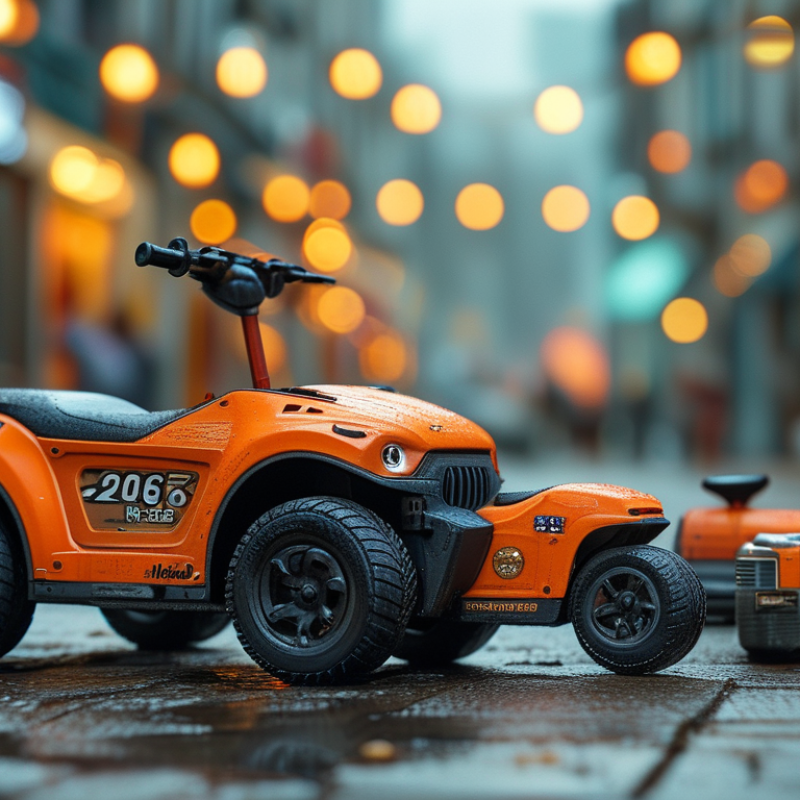
Battery chemistry innovations are transforming electric ride-on toys in 2026. New lithium-sulfur batteries offer higher energy density. This means longer ride times for your children. These batteries are lighter, enhancing the overall toy design. However, they may not be as durable as older battery types.
Improved battery management systems are also emerging. They optimize charging cycles and extend battery life. These systems can prevent overcharging, which is a common issue. Parents must understand how to maintain these systems for the best performance. Regular checks are necessary to ensure safety and efficiency.
Nonetheless, there are challenges. Not all innovations are foolproof. Some new battery technologies face issues like slow charging times. Families might need to adjust their expectations regarding usage. Balancing excitement and practicality is essential. Engaging with new tech requires flexibility and awareness of potential drawbacks.
Charging electric ride-on toys properly is vital for extending their battery life. Start with using the charger provided by the manufacturer. Mismatched chargers can damage the battery. Avoid overcharging; it can degrade battery health over time. Remove the charger once fully charged to prevent unnecessary strain.
Regular charging is important. Allow the battery to discharge to about 20% before recharging. This practice can help simulate cycles, which are beneficial for battery longevity. In temperatures below 50°F, slow charging may be necessary as cold can affect performance. Store your toy in a climate-controlled environment as extreme temperatures can also harm the battery.
Monitoring the battery health is essential. Look out for any swelling or unusual heat during charging. These signs may indicate a need for replacement. Furthermore, ensuring the connections are clean can enhance efficiency. A little attention can lead to significant improvements. Regular maintenance prevents issues that may lead to shorter battery life.
Battery Management Systems (BMS) play a crucial role in extending the life of electric ride-on toys. These systems monitor and manage battery health, ensuring optimal performance. According to a report from the International Council on Clean Transportation, effective BMS can increase battery life by up to 30%. This is significant for parents who want to get the most out of their investment.
A well-functioning BMS tracks factors like temperature, charge cycles, and discharge rates. These parameters can predict the battery’s remaining lifespan. Inaccurate readings can lead to overcharging or deep discharging, which can shorten battery life. It’s essential to understand that not all BMS are created equally. Some may lack important features, making them less reliable.
Additionally, regular maintenance of the battery is vital. Allowing a battery to sit idle for long periods can lead to degradation. Proper storage and charge practices can mitigate this risk. Data from the Battery University shows that batteries stored at room temperature last significantly longer than those kept in extreme conditions. Awareness of these factors can lead to better decision-making for parents and guardians seeking to maximize the longevity of their children’s electric ride-on toys.
Environmental conditions significantly impact the battery performance of electric ride-on toys in 2026. Temperature plays a crucial role. High heat can cause batteries to overheat, leading to reduced lifespan. Conversely, cold temperatures can impair battery efficiency. Children may be eager to play outside, but parents must consider temperature extremes.
Humidity is another critical factor. In areas with high moisture, batteries may experience corrosion. This can compromise the battery's integrity over time, leading to unexpected failures. Regular checks for signs of moisture damage are essential for maintenance. Indoor storage can help mitigate these risks.
Terrain also influences battery life. Playing on rough or uneven surfaces demands more power compared to flat areas. If ride-on toys are used predominantly on challenging terrains, consider shorter play sessions. This practice could help prolong the battery's useful life. Moreover, monitor the battery's performance regularly for any signs of decline.
| Environmental Condition | Effect on Battery Life | Recommended Action |
|---|---|---|
| High Temperature (Above 30°C) | Reduces overall battery capacity and life expectancy | Store in a cool, shaded area |
| Low Temperature (Below 0°C) | Decreases range and performance | Warm up battery before use |
| Humidity (Above 80%) | Can cause corrosion and decrease connectivity | Dry thoroughly and store in a dry place |
| Wet Conditions | Risk of short-circuiting and damage | Avoid use in wet conditions |
| Altitude (High Altitude) | Decreased performance due to thin air | Monitor battery levels closely |
Regular maintenance is crucial for extending the battery life of electric ride-on toys. According to a report by the Consumer Electronics Association, about 25% of battery issues arise from poor maintenance practices. Cleaning the battery terminals regularly can prevent corrosion.
This simple step allows for better connectivity and efficiency. Even a small amount of dirt can significantly affect performance.
Charging practices also play an essential role. It's recommended to charge the battery after each use, but avoid overcharging. Overcharging can lead to battery swelling, as noted by battery manufacturers. This not only shortens lifespan but can also pose safety hazards. Monitoring battery health with a multimeter can provide insights into its condition. Regularly checking voltage levels can reveal if the battery needs replacement.
Additionally, keep an eye on tire pressure and overall wear. Decreased tire pressure can lead to reduced efficiency, draining the battery faster. Maintaining proper inflation is a small task that impacts performance.
Some parents may overlook such details, but they can significantly influence a toy's longevity. Engaging in these routine maintenance practices can promote safer and longer-lasting electric ride-on toys, enriching your child's play experience.
: Charge it with the manufacturer’s charger and avoid overcharging.
These signs may indicate a need for battery replacement. Monitor it closely.
Yes, allow it to discharge to about 20% before recharging for better longevity.
High heat can cause overheating, while cold can impair efficiency.
Yes, keeping connections clean enhances efficiency and overall battery health.
High moisture can cause corrosion, compromising battery integrity over time.
A BMS monitors battery health and can increase lifespan by up to 30%.
Rough surfaces require more power, leading to quicker battery drain. Monitor usage.
Store them in a climate-controlled environment to protect from extreme temperatures.
Neglect can lead to degradation and unexpected failures. Check for issues often.
In 2026, extending the battery life of electric ride on toys involves understanding several key factors that influence battery performance. Innovations in battery chemistry are making significant strides, allowing for lighter and more efficient batteries that last longer. Additionally, adopting optimal charging techniques is crucial; using the correct charging cycles can dramatically improve battery longevity.
Furthermore, grasping the importance of battery management systems helps ensure that batteries operate within safe parameters, thus prolonging their life. It's also essential to consider environmental conditions, as extreme temperatures can adversely affect battery performance. Lastly, routine maintenance practices, such as regular inspections and proper storage, can further enhance the lifespan of these toys. By considering these aspects, parents and caregivers can effectively learn how to extend battery life of electric ride on toys, ensuring they remain operational and enjoyable for longer periods.
