Understanding how fast should kids ride on vehicles be is crucial for ensuring their safety. Dr. Emily Carter, a leading pediatric safety expert, emphasizes the need for caution. She states, "Speed thrills but can also kill when it comes to children riding vehicles." Her insights remind us that children often lack the judgment necessary to gauge their safety on wheeled devices.
The fun of riding can easily overshadow the need for safety. When children zoom past, parents may feel a rush of excitement. However, it is essential to consider the risks. Each vehicle has an optimal speed that varies by age and skill level. For instance, a 5-year-old on a tricycle should not exceed walking speed, while an older child on a scooter can handle more speed.
Moreover, the environment plays a vital role in determining safe speeds. Riding on pavement is different from gravel. Parents need to remain vigilant, watching for curbs, obstacles, and other riders. This vigilance can prevent accidents. Ultimately, clear guidelines must be established about how fast should kids ride on vehicles be to balance fun with safety.
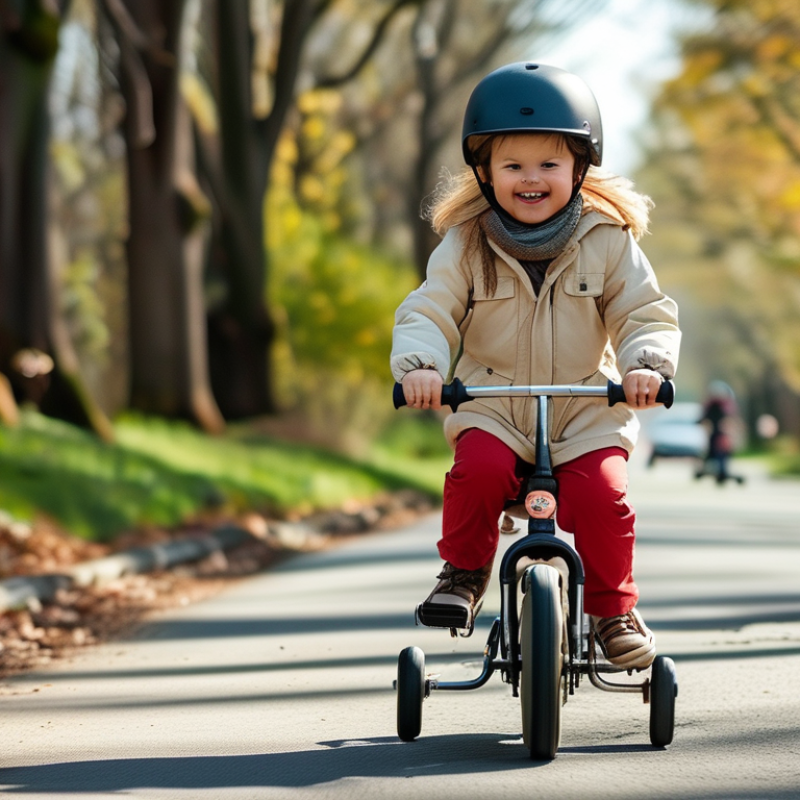
Factors Influencing Safe Speed for Kids on Vehicles
When considering safe speeds for kids riding on vehicles, several factors come into play.
The child's age greatly influences their ability to control the vehicle.
Younger children often lack the coordination and judgment necessary for high speeds.
They should ride at lower speeds to ensure their safety. Additionally, the type of vehicle matters.
For instance, balance bikes require different speed considerations than electric scooters.
The environment in which kids ride also significantly impacts safety.
A smooth, flat surface is ideal for higher speeds, while uneven terrain can pose challenges.
Parents must assess their local area for potential hazards.
Factors like traffic, pedestrians, and even weather conditions should influence the decision on how fast kids can ride.
Monitoring kids while they ride can help prevent accidents.
Encouraging slow and steady speeds fosters a safer experience.
Reflecting on past incidents can help parents adjust expectations.
Understanding that each child is unique is crucial.
What works for one may not work for another. Balancing fun and safety is key in ensuring a positive riding experience.
Recommended Speed Limits for Different Age Groups
When it comes to safe riding speeds for kids, age plays a key role. Younger children, like those aged 5 to 7, should ride at a maximum speed of 5 mph. This low speed allows them to maintain control and safely navigate their surroundings. Children in this age group are still developing their coordination and reaction time, so slower speeds are essential.
As kids grow older, around ages 8 to 12, the recommended speed can increase to 10 mph. By this age, most children have better motor skills and understand safety measures. They can handle slightly faster speeds on their bikes or scooters. However, some kids may still struggle with balance and decision-making at higher speeds, so it’s important for parents to supervise and guide their children.
Adolescents, aged 13 and above, can handle vehicles at speeds up to 15 mph. These teens typically have the experience needed to manage risks. Even so, many factors can affect their abilities, such as distractions or fatigue. It’s crucial for parents to regularly remind them to stay focused and safe while enjoying their rides.
How Fast Should Kids Ride on Vehicles Safely for Fun?
The chart below displays the recommended speed limits for children riding various types of vehicles, categorized by age group. These guidelines help ensure a safe and enjoyable experience for kids while riding.
Safety Gear and Equipment for Kids on Vehicles
Ensuring safety for kids riding vehicles is vital. Kids must wear proper safety gear to prevent injuries. According to the Centers for Disease Control and Prevention (CDC), wearing helmets can reduce the risk of severe head injuries by about 85%. This simple action is crucial when children are riding bicycles, scooters, or skateboards. It’s essential that helmets fit correctly, with the right size for the child's age.
In addition to helmets, knee and elbow pads should be standard. The National Highway Traffic Safety Administration (NHTSA) reports that protective gear reduces fracture risks. Children often fall, especially when they are learning. By using gear that fits, parents can prevent scrapes and more serious injuries. Encouraging kids to wear this equipment is necessary, even when they feel invincible.
Parents sometimes underestimate the importance of safety gear. Some kids may resist wearing it, arguing that it looks cumbersome or unfashionable. However, fostering a culture of safety can make a difference. Engaging kids in discussions about safety and setting examples can help. Awareness campaigns indicate that informed children are more likely to wear their gear. Educating kids on why safety matters is as important as the gear itself.
Understanding the Terrain: Where Kids Ride Safely
When considering where kids ride vehicles for fun, safety is paramount. The terrain plays a crucial role in determining how fast children can ride. Smooth surfaces, like paved roads or park paths, allow for greater speeds. In contrast, off-road areas with gravel or mud create more hazards. Children should adapt their speed to these conditions to avoid accidents.
It's easy to overlook terrain when planning outings. Parents often underestimate how quickly their children can go. Watching kids ride on uneven surfaces can bring worry. It's essential to remind them to slow down, especially on tricky paths. Sometimes, a fun day can turn risky due to high speeds on challenging terrain.
Understanding local environments helps promote safer riding habits. Is it a steep hill, or does it have sudden turns? Awareness of such features encourages mindful riding. Engaging conversations about terrain can educate kids. This awareness can reduce accidents and foster responsibility. Riding is fun but requires an understanding of surroundings. Safety discussions and practical experiences can build better habits in children.
Tips for Parents to Monitor and Manage Riding Speed
Monitoring kids while they ride vehicles is crucial for their safety. According to the National Highway Traffic Safety Administration, approximately 400 children under 15 years old die each year in bicycle-related accidents. Parents need to keep a close eye on their child’s speed. Ideal riding speeds can vary by age, with younger children riding at slower speeds, ideally under 5 mph.
Consider using speed monitoring tools like GPS trackers. These devices allow parents to see real-time data on how fast their kids ride. It's also essential to teach kids about safe distances from obstacles. Many parents overlook how quickly kids can lose control on steep hills. While riding, children often do not recognize potential hazards. Reminding them to stay aware can prevent accidents.
Educating kids about the risks of riding too fast is vital. According to the Centers for Disease Control, nearly 300,000 kids visit emergency rooms annually due to bicycle injuries. Regular discussions about safe riding practices can help reinforce their importance. Encouraging slow rides in safe areas can build their confidence and improve their skills over time. Balancing fun and safety requires constant vigilance from parents.
FAQS
: Child's age, vehicle type, and riding environment all play significant roles in determining safe speeds.
Younger kids often lack coordination and judgment, making lower speeds necessary for their safety.
Smooth surfaces allow for safer, higher speeds, while uneven terrain presents challenges that may require slower speeds.
Children aged 5 to 7 should not exceed 5 mph for better control and safety.
Yes, kids aged 8 to 12 can ride up to 10 mph, but supervision is crucial as some may still struggle.
Teens aged 13 and above can ride at speeds up to 15 mph, but distractions can affect their safety.
Monitoring kids, encouraging steady speeds, and reflecting on past incidents can help maintain safety.
Each child is unique; what suits one may not work for another. Adjustments may be necessary.
It allows parents to adjust expectations and improve safety measures based on previous experiences.
Ensuring a positive experience involves maintaining a fun environment while prioritizing safety at the same time.
Conclusion
When considering how fast should kids ride on vehicles be, several factors come into play to ensure the safety and enjoyment of young riders. Key influences include the child's age, size, and experience level, as well as the type of vehicle being used. Recommended speed limits vary by age group, with younger children generally advised to ride at slower speeds to maintain control and reduce the risk of accidents.
Safety gear, such as helmets and pads, is essential for all child riders, regardless of their speed. Additionally, understanding the terrain where kids ride, whether it's a flat surface or a more challenging environment, plays a vital role in determining safe speeds. Parents should actively monitor and manage their children's riding speed to promote a safe and fun experience, ensuring that kids can safely enjoy their time on vehicles.
 KTG Car
